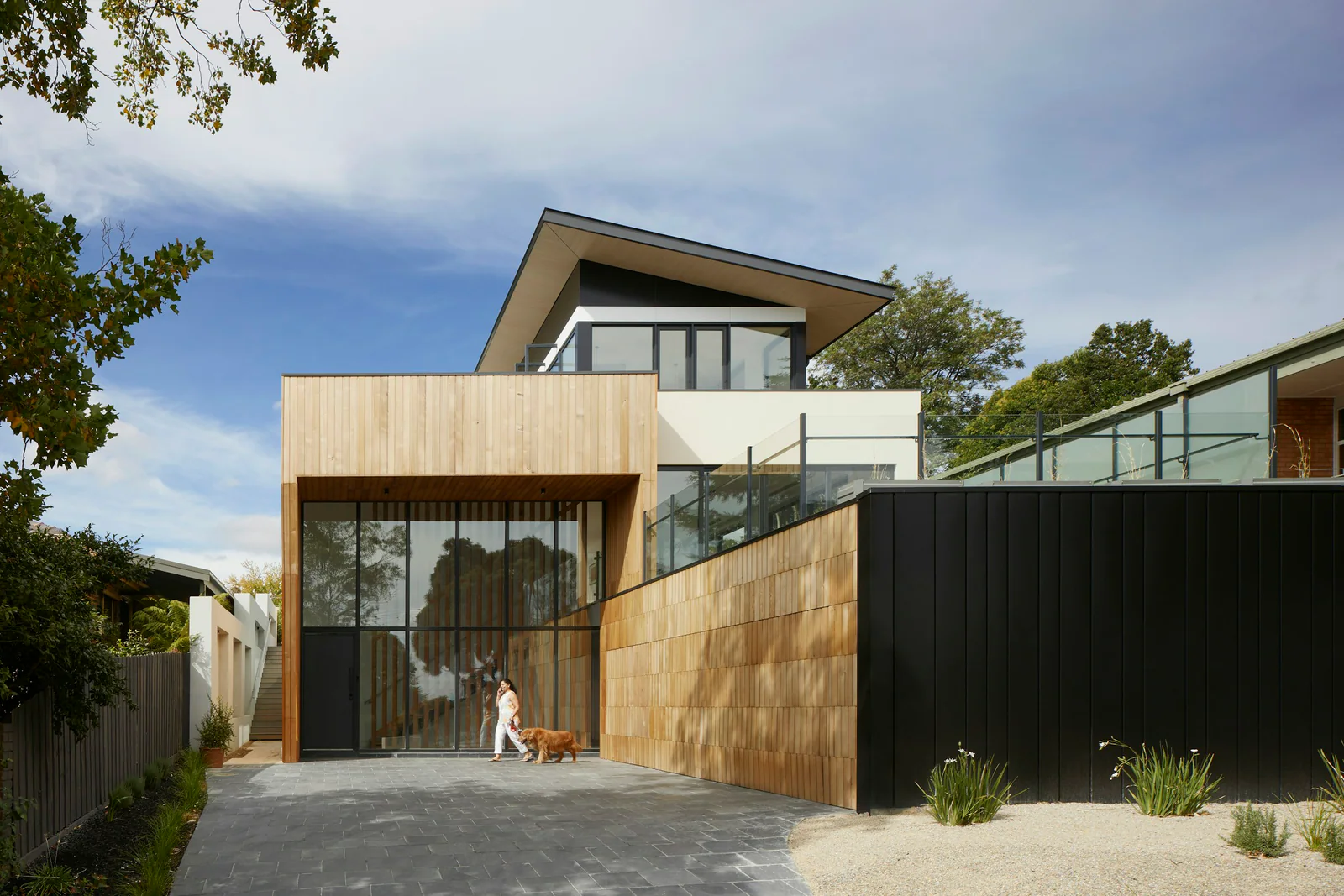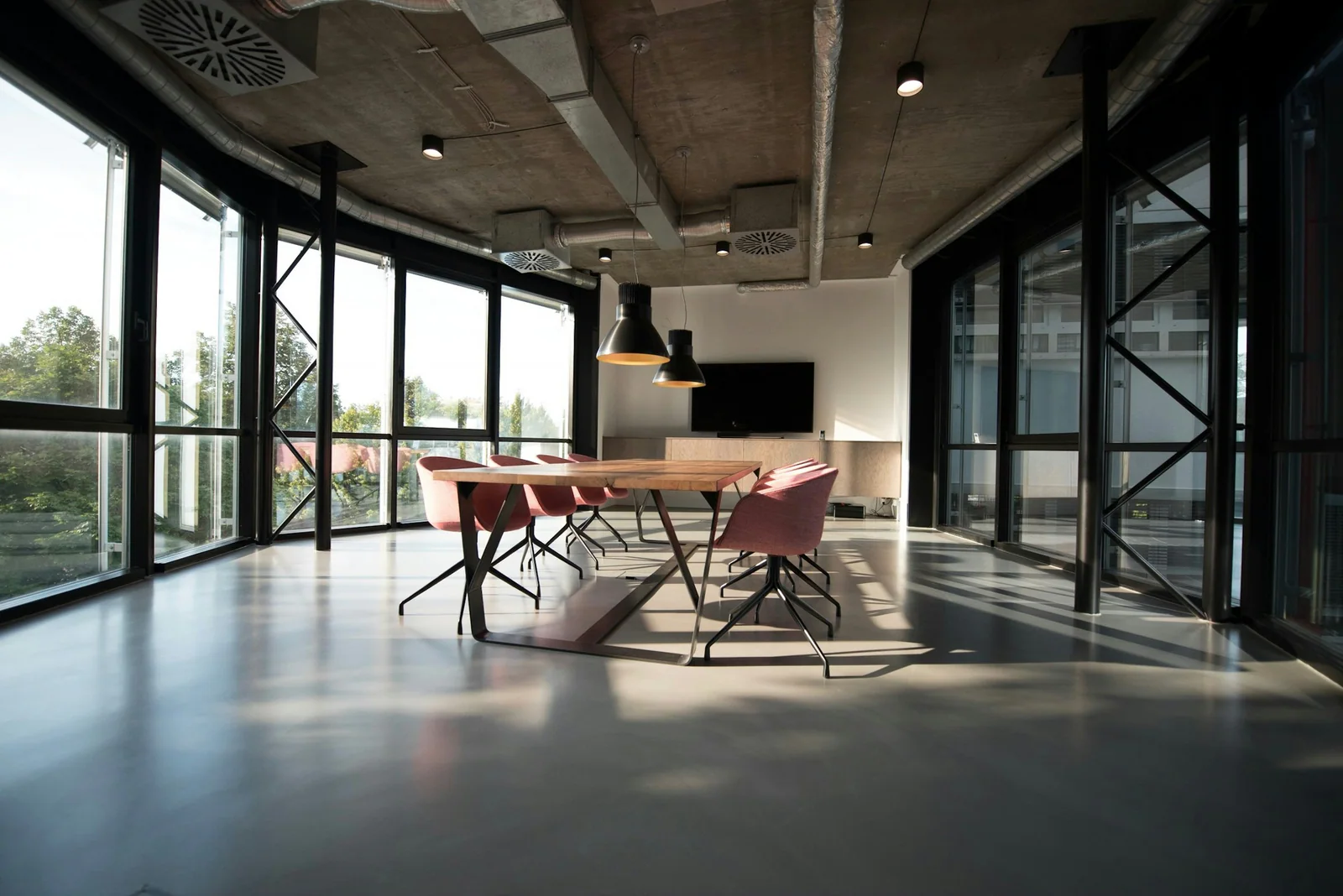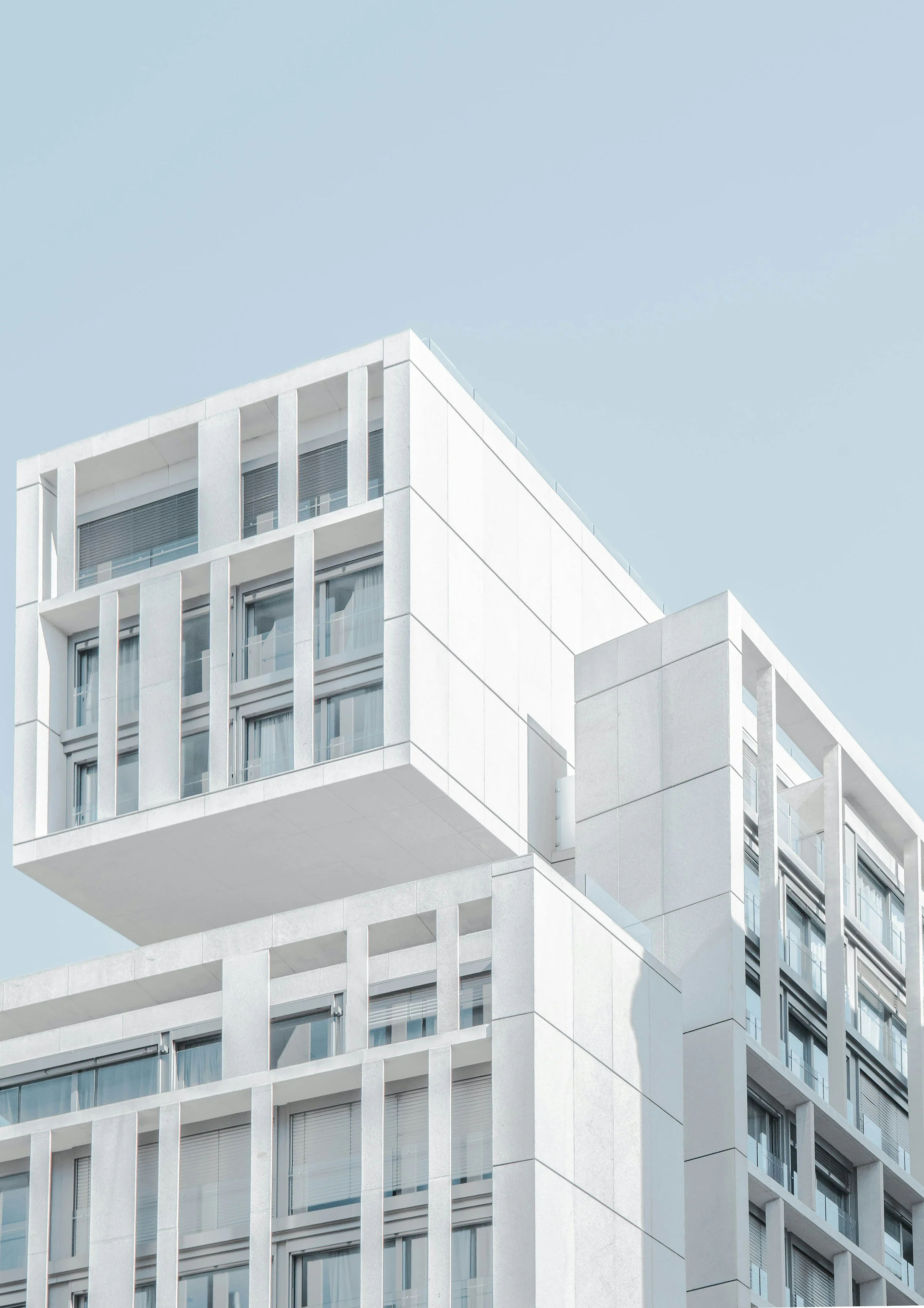
Our first encounter with a building is usually with its facade. For someone passing by on the street, a building is nothing more than its facade, even if they never step inside. Facade design is therefore not just about cladding an outer shell; it is about expressing the building’s character, the life within it and its relationship with its surroundings on a single surface. A good facade reads clearly from a distance and convinces with its details up close.
Proportion: the foundation of facade design
The main reason a facade looks beautiful or unbalanced is proportion. The size of the windows, the relationship between wall and opening, the relative heights of the floors and the overall silhouette are perceived even before the material. The proportional systems that classical architecture has used for centuries remain a strong starting point for composing a facade today.
Proportion is not only an aesthetic matter. Window sizes directly affect how much daylight enters, heat loss and gain, privacy and views. A good facade therefore cannot be drawn independently of the floor plan; it is considered from the inside out and the outside in at the same time.
The most effective way to get proportions right is to evaluate the facade not only through plans and elevations, but also through perspectives and 3D models. Seeing in advance how the building will look from the street, up close and from afar prevents a facade that looks balanced on paper from appearing squat or cluttered in reality.
Rhythm and hierarchy
The regular repetition of windows, columns, pilasters or vertical elements gives a facade rhythm. Rhythm offers the eye an order and makes the building’s scale legible. Within that order, an emphasised entrance, a prominent central axis or a distinctive corner creates hierarchy and lets visitors sense where to go. Even small breaks in the rhythm add liveliness to a facade when they are deliberate, and a sense of disorder when they are not.
- Base: the part that grounds the building, usually resolved with heavier and more durable materials.
- Body: the part that carries the main rhythm of the facade with its repeated window pattern.
- Crown: the finish that connects the building to the sky through eaves, cornice or roofline.
This tripartite composition comes from classical architecture, but it lives on in contemporary buildings through different interpretations.
Neoclassical and contemporary language
A neoclassical facade creates a strong and timeless effect through symmetry, pronounced cornices, window surrounds and classical elements such as columns and pilasters. It is often chosen for residences and event venues when a dignified, prestigious character is desired. Its success depends on applying these elements with correct proportions and careful craftsmanship; excessive ornament weakens the classical effect rather than strengthening it.
A contemporary facade, by contrast, uses plainer surfaces, large glazing, slim profiles and an expression that lets the material speak. Here, detail comes not from ornament but from the precision of joints, connections and surface textures. Whichever language is chosen, the facade’s harmony with neighbouring buildings, the street and the climate should never be overlooked.
Materials and climate
The facade is a building’s first line of defence against the weather. Natural stone, ceramics, render, metal composite panels and glass each have different durability, maintenance and cost characteristics. In continental climates, materials should resist freeze-thaw cycles, strong sunlight and temperature swings; thermal insulation and waterproofing should be treated as integral parts of facade design.
How a material ages over time also matters. Some surfaces become more beautiful over the years, while others get dirty, fade or stain. Small details such as drips, sills and eaves keep a facade clean for many years.
Colour is as decisive as material. Light tones reflect the sun and help keep the facade cooler, but they can show dirt more clearly. When choosing the tone of stone or render, the colours of surrounding buildings, the overall texture of the street and the changing light of the day should be considered together.
Facade lighting: the building’s night face
A facade shaped by the sun during the day is redesigned with artificial light at night. Good facade lighting does not flood the whole building with flat light; it selectively highlights architectural elements such as columns, entrances, cornices and texture. Warm, directional light reveals depth and shadow on the facade. To prevent light pollution and avoid disturbing neighbouring buildings, the direction and power of the fittings should be chosen carefully.
Lighting design should be carried out at the same time as the facade design. When fixture positions, cable routes and maintenance access are not defined in advance, lights added later leave a cluttered look on the facade. Concealed fittings that are barely noticeable by day allow the facade to be read with the same care both day and night.
Facade design is a discipline where proportion, rhythm, material and light come together to reveal a building’s identity at first sight. At every scale, from a neoclassical villa to a contemporary commercial building, a well-composed facade adds lasting value. You can explore our facade work on our projects page, or contact us about your project.